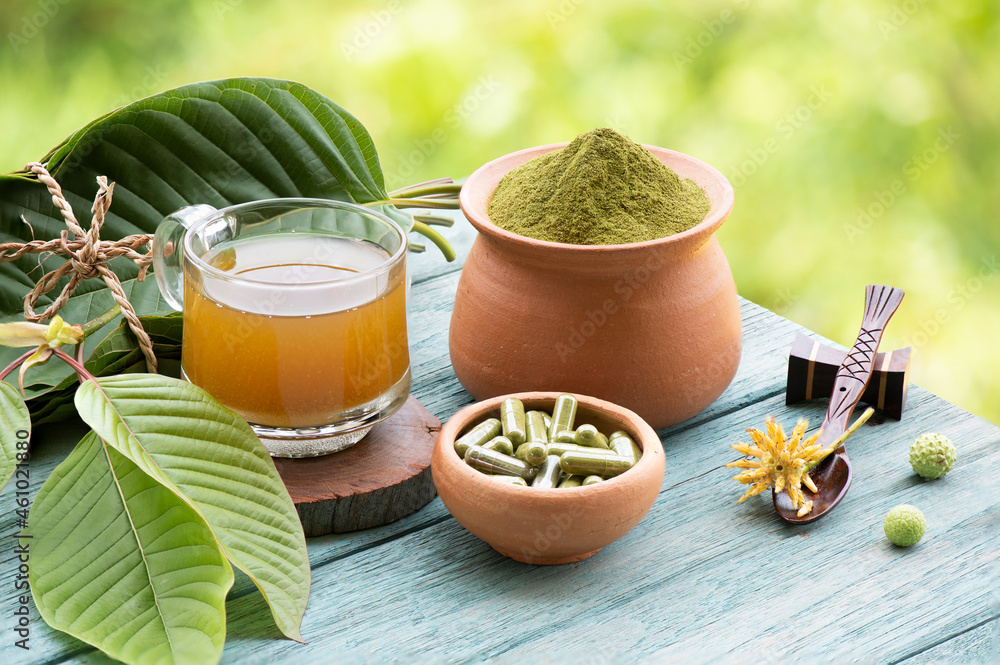
For centuries, the indigenous people of Southeast Asia have utilized the leaves of the Kratom tree for various wellness purposes. It shares the same botanical family as the coffee plant, which explains some of its energizing properties.
Historically, field workers chewed the fresh leaves to maintain energy during long days under the sun, but today it is mostly consumed as a dried powder or tea. Its chemical profile is rich in alkaloids, specifically mitragynine, which is responsible for the majority of its effects.
The Three Main Types of Kratom Explained
Kratom is typically categorized by the color of the veins in the leaf at the time of harvest. The color of the vein indicates the chemical composition of the leaf, which dictates the final effect on the user.
1. Red Vein Kratom
Harvested at full maturity, red vein strains are the "go-to" for relaxation and relief. This variety is typically dried using specific techniques, such as fermentation, to enhance its soothing alkaloids.
2. White Vein Kratom
On the opposite end of the spectrum, white vein kratom is harvested early and is known for its stimulating effects. It is popular among students and professionals who need to stay sharp and motivated.
Green Vein: The Best of Both Worlds
If you can't decide between energy and relaxation, green vein strains offer a perfect middle ground. This is often recommended for beginners because the effects are moderate and well-rounded.
Proper Dosage and Safety Guidelines
Understanding the dose-dependent nature of this plant is key to having a positive experience. For most people, a starting amount of 2 grams is perfect to gauge sensitivity.
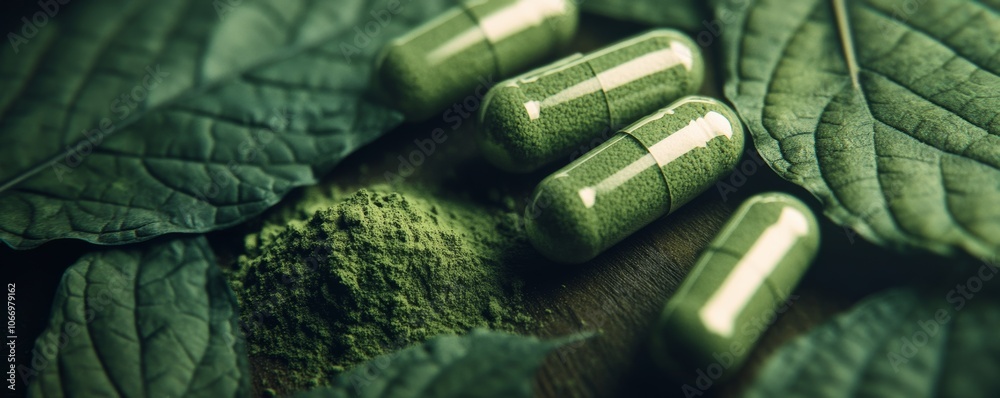
Hydration is another critical factor that is often overlooked. Safety starts with the source; never buy gas station kratom that hasn't been tested for heavy metals or contaminants.
In conclusion, Mitragyna speciosa is a powerful natural tool that requires respect and knowledge. Education is your best ally in navigating the botanical world safely.
read more